

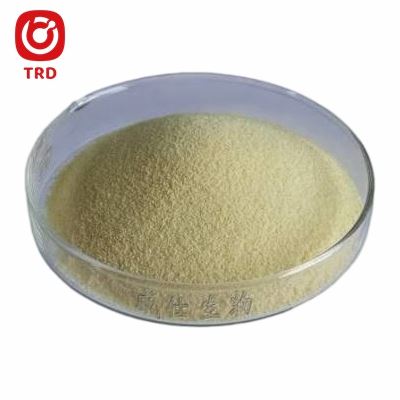
Vitamin A Powder
CAS No.: 127-47-9
Samples: Available upon request
Test Method: HPLC
Molecular Formula: C22H32O2
Appearance: Light yellow powder; free from visible foreign matter; no off-odors
Minimum Order Quantity (MOQ): 1 kg (customizable)
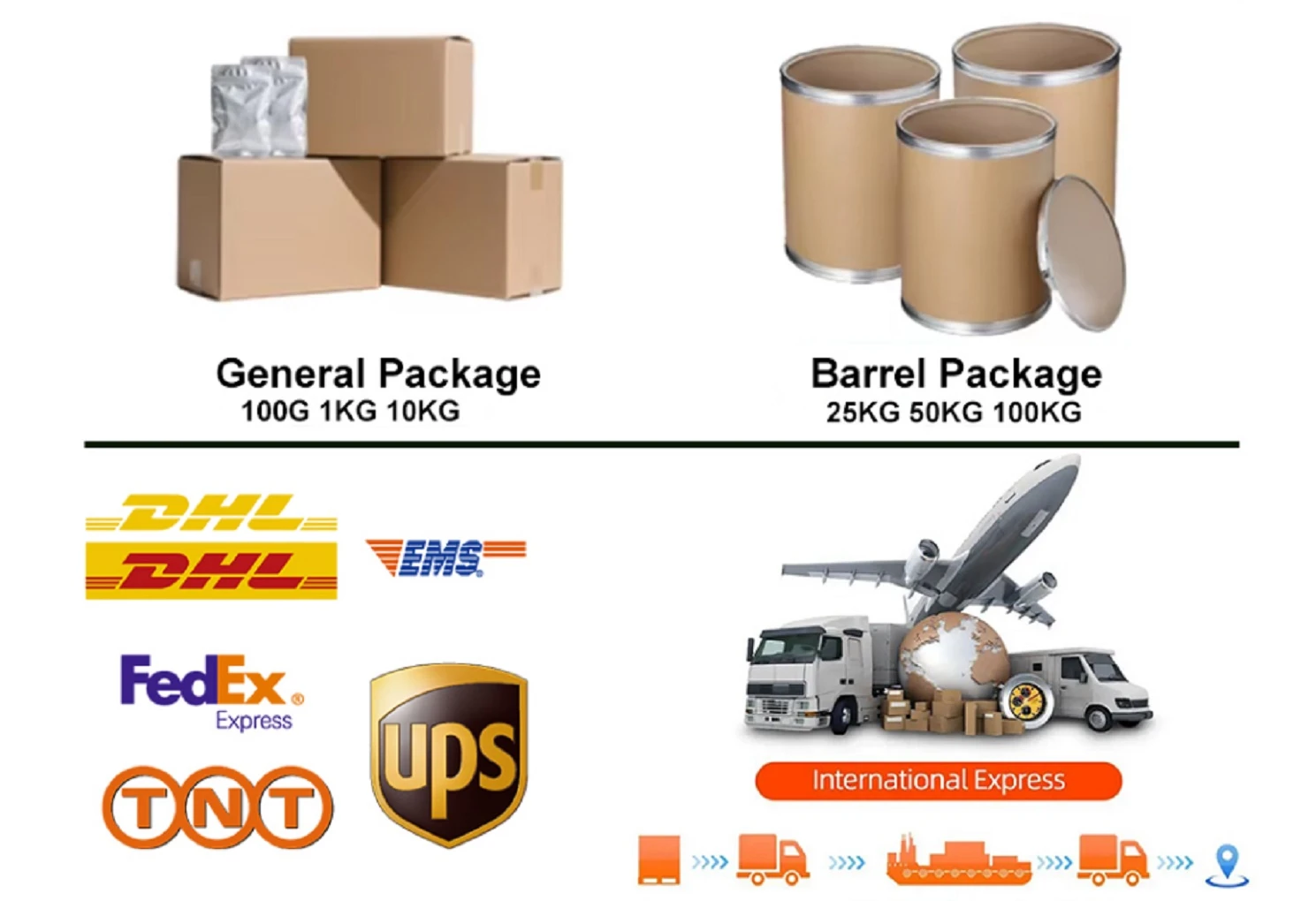
Packaging: 25 kg/fiber drum with double-layer PE inner lining; 1 kg/5 kg aluminum foil bags also available for samples or small-batch orders.
Certifications: GMP, Halal, Kosher, ISO 22000, HACCP
Products Description
Vitamin A Powder is an important fat-soluble vitamin derivative. Produced using advanced spray-drying and starch-encapsulation technologies, these microencapsulated beads are widely used in food, beverages, and dietary supplements, contributing to skin health and the maintenance of normal metabolic functions. These characteristics make the product well-suited for use in capsules, tablets, powdered formulations, and solid beverage mixes. Furthermore, particle size and packaging specifications can be customized to meet specific client requirements regarding formulations and processing.
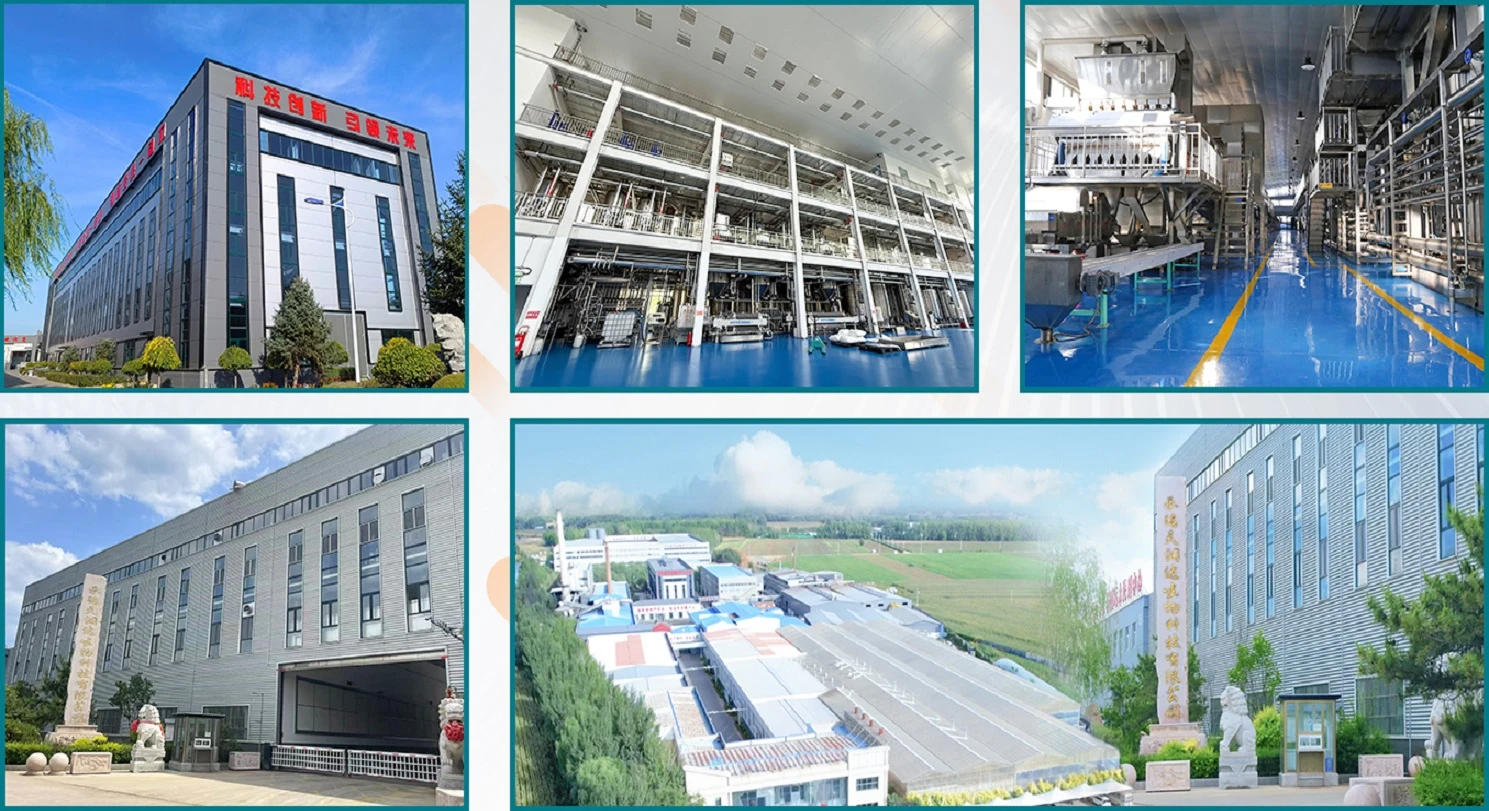
For 30 years, Trend has specialized in the R&D, production, and sales of natural raw materials and plant extracts. Our manufacturing processes strictly adhere to GMP and ISO 22000 quality management standards; we operate a Class 100,000 (ISO 8) cleanroom facility, equipped with state-of-the-art testing instrumentation and supported by a professional R&D team. Built on a foundation of high quality and reliable supply, our products are exported to markets across Europe, the United States, and Asia.

Technical Specifications
|
Item |
Specifications |
Results |
|
Appearance |
Pale yellow powder |
Conforms |
|
Particle size |
95% pass 80 mesh |
Conforms |
|
Assay (Retinyl acetate) HPLC |
95%~115% (309,000IU/g~374,000IU/g) |
110.2% (358,000IU/g) |
|
Loss on drying,w/% |
≤5.0% |
3.7% |
|
Pb(ppm) |
≤2ppm |
Conforms |
|
As(ppm) |
≤2ppm |
Conforms |
|
Cd(ppm) |
≤1ppm |
Conforms |
|
Hg(ppm) |
≤0.1ppm |
Conforms |
|
Total plate count,cfu/g |
≤1000 |
Conforms |
|
Yeast and Mold,cfu/g |
≤100 |
Conforms |
|
E.Coli,/g |
Negative |
Conforms |
|
Salmonella,/25g |
Negative |
Conforms |
|
Packing: |
25kg/drum. |
|
|
Storage: |
Store in well-closed container at room temperature, protect from light,moisture and pest infestation |
|
|
Shelf life: |
2 years |
|
|
Testing result: |
Qualified |
|

Vitamin A Benefits
Dual-Purpose for Food and Skincare:
Vitamin A powder serves as a nutritional fortifier in food products, while in cosmetics, it functions primarily as an anti-aging and skin-renewing agent-offering versatility in a single ingredient.
01
Anti-Aging and Keratin Regulation:
Promotes healthy keratin turnover, addresses skin roughness and fine lines, and refines skin texture.
02
Even Skin Tone:
Combats dullness, helps minimize the appearance of enlarged pores, and enhances skin smoothness.
03
Essential Nutritional Activity:
An essential fat-soluble vitamin for the human body, it supports the maintenance of mucous membranes and is vital for vision-related nutritional needs.
04
Encapsulation and Modification Options:
Encapsulated forms of Vitamin A powder offer improved light and heat stability, reduced irritation, and greater formulation compatibility; it can also work synergistically with Vitamin E to provide enhanced antioxidant benefits.
05
Market Applications
Dietary Supplements:
Multivitamin softgels, nutritional premixes, functional foods, and ingredients for pet nutrition.
01
Anti-Aging Skincare:
Retinol-based anti-aging serums, anti-wrinkle creams, restorative lotions, and night creams.
02
Functional Personal Care:
Anti-aging body lotions and body care products designed for skin-conditioning/exfoliation.
03
Encapsulated Ingredients:
Suitable for aqueous-based formulations and freeze-dried powder systems, helping to reduce the risk of oxidation and loss of activity.
04
Ingredient Blending & R&D:
Development of formulations for health supplements and cosmetics, often in combination with other active ingredients such as Vitamin E or panthenol.
05
Production Process
Synthesis Reaction: Multi-step chemical synthesis to obtain crude Vitamin A.
Purification of Crude Product: Filtration in a light-protected environment to remove by-products and insoluble impurities.
Recrystallization: Recrystallization at low temperatures and protected from light to enrich all-trans-retinol and reduce isomeric impurities.
Filtration and Washing: Filtration of crystals followed by washing with organic solvents to remove residual impurities.
Vacuum Drying: Vacuum drying at low temperatures under a nitrogen atmosphere to exclude oxygen and prevent oxidative degradation.
Pulverization and Sieving: Pulverization and sieving under yellow-light conditions to achieve the target particle size for the crystalline powder.
Testing, Packaging, and Warehousing: Comprehensive testing-including HPLC analysis, heavy metal analysis, and microbial testing-conducted under light-protected conditions; final packaging in nitrogen-flushed, sealed, and light-protected containers before storage.
Quality Assurance
Production in GMP-compliant cleanrooms:
Synthesis, recrystallization, and packaging are conducted under nitrogen protection and shielded from light to prevent oxidative degradation.
01
Batch-by-batch purity testing via HPLC:
Analysis is performed under yellow-light conditions to quantify active ingredients and strictly control isomers and degradation impurities, ensuring consistent activity across batches.
02
Comprehensive heavy metal and microbial testing:
Heavy metals are analyzed via ICP-MS, and microbial limits are verified according to European Pharmacopoeia (EP) standards, meeting export requirements for food and cosmetics.
03
Full-cycle batch traceability:
Input records, production logs, and test reports are systematically linked, ensuring complete traceability of every product.
04
Specialized storage protocols:
Finished Vitamin A Powder is sealed under nitrogen and stored at 2–8°C, protected from light to prevent loss of activity caused by exposure to light or oxygen.
05
Why Choose Trend as Your Vitamin A Powder Supplier?
High-purity Vitamin A Powder (≥99%) is consistently in stock. We also offer encapsulated, stabilized powder versions suitable for both food and cosmetic applications, ensuring reliable delivery timelines.
Strong Customization Capabilities: We can adjust powder particle size to meet specific client requirements, provide small-batch samples for testing, and collaborate on the development of customized, encapsulated, or modified formulations.
Comprehensive Documentation: We hold a full suite of certifications-including GMP, Kosher, Halal, ISO 22716, and ISO 9001-and provide a Certificate of Analysis (COA), Technical Data Sheet (TDS), and Material Safety Data Sheet (MSDS) with every batch, facilitating regulatory compliance for food and cosmetic products globally.
Efficient Sample Service: We offer rapid sample delivery to support your initial formulation development and testing.
Stable Supply Chain: Our large-scale synthetic production lines feature specialized, light-protected, and nitrogen-blanketed processing environments, ensuring a consistent and reliable supply.
Technical Formulation Support: We provide guidance on dosage levels and pH compatibility, offer advice on light-protected and oxygen-free processing techniques, and assist in resolving common formulation challenges-such as the oxidation, loss of activity, or skin irritation-associated with Vitamin A raw materials.
FAQ
Q1: What are the storage requirements for bulk Vitamin A powder? Is it prone to losing its activity?
A: Vitamin A is highly sensitive to light, oxygen, and high temperatures. It must be stored in a nitrogen-flushed, airtight container, kept away from light, and maintained at a temperature between 2°C and 8°C. Once opened, it should be used as soon as possible to prevent a rapid decline in activity. When stored properly, it has a shelf life of 24 months.
Q2: What is the difference between food-grade and cosmetic-grade Vitamin A?
A: While their fundamental chemical purity is the same, food-grade Vitamin A is subject to strict controls regarding nutritional impurities, making it suitable for oral consumption. Cosmetic-grade Vitamin A focuses on heavy metal and microbial limits, and is intended for use in topical anti-aging formulations.
Q3: What is the minimum order quantity (MOQ), and are samples available?
A: The standard MOQ for bulk orders is 25 kg; however, we also accept smaller trial orders (1–5 kg). Samples for R&D and testing purposes are available upon request.
Q4: What are the recommended usage levels for Vitamin A in formulations?
A: For skincare formulations, the recommended final concentration of retinol is 0.05%–0.3%, subject to the regulatory limits of the respective country. For food products, usage levels must strictly adhere to the recommended dosages stipulated by local regulations. It is best to incorporate the ingredient under low-temperature, light-protected conditions; it can also be paired with Vitamin E for antioxidant support.
Q5: What documentation can you provide for customs clearance and product registration?
A: We can provide batch-specific COAs, TDS, and MSDS, as well as certifications such as GMP, ISO 22716, ISO 9001, Halal, and Kosher.
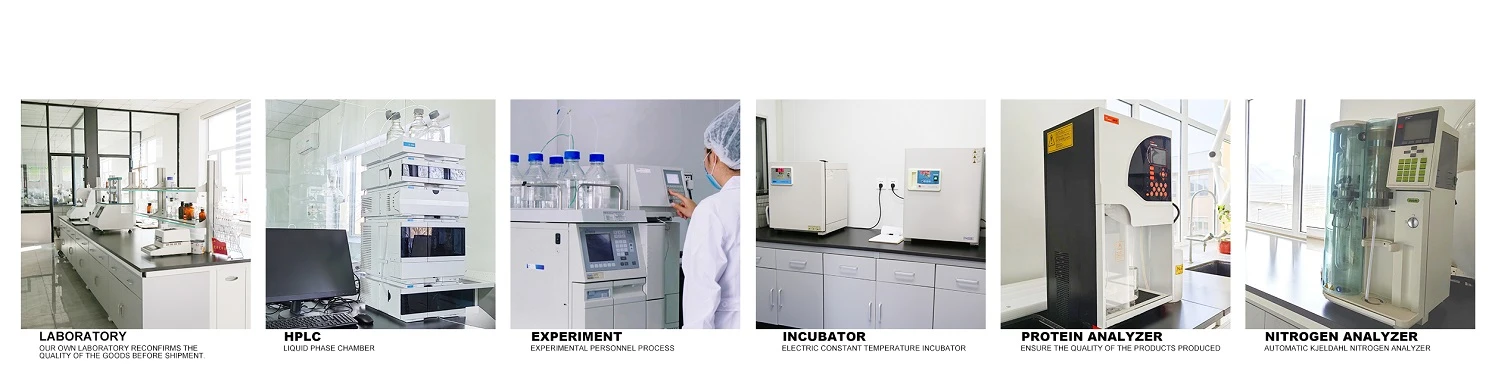
Our experimental equipment

Packaging and transportation
Can be customized according to needs
Planning to use Vitamin A Powder in your formulation? Contact us at admin@trdxa.com for product details and application support.
Hot Tags: vitamin a powder, China vitamin a powder manufacturers, suppliers, factory
You Might Also Like


Send Inquiry